

What Is Veterinary Acupuncture?
Veterinary acupuncture involves the placement of very small, sterile needles into specific points on the body to stimulate nerves, muscles, circulation, and the body’s natural healing processes. While acupuncture originated from Traditional Chinese Veterinary Medicine (TCVM), modern research has shown that acupuncture can help stimulate the release of endorphins, improve blood flow, reduce inflammation, and help regulate pain pathways.
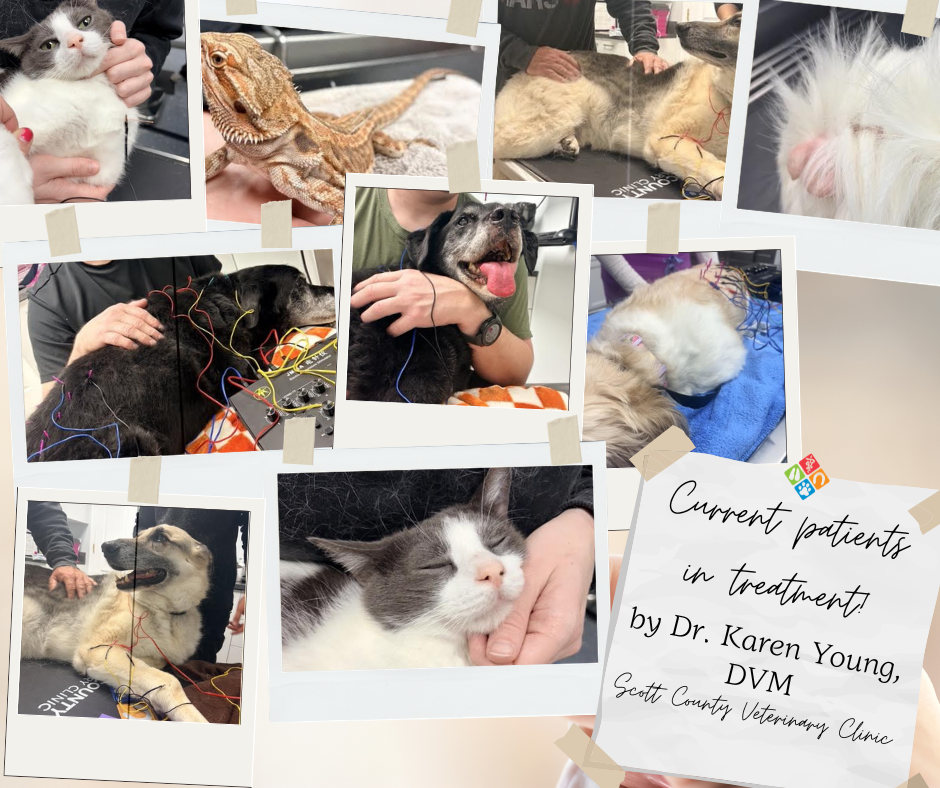
Most pets tolerate acupuncture extremely well. Many become relaxed during treatments and some even fall asleep.
What Conditions Can Acupuncture Help Treat?
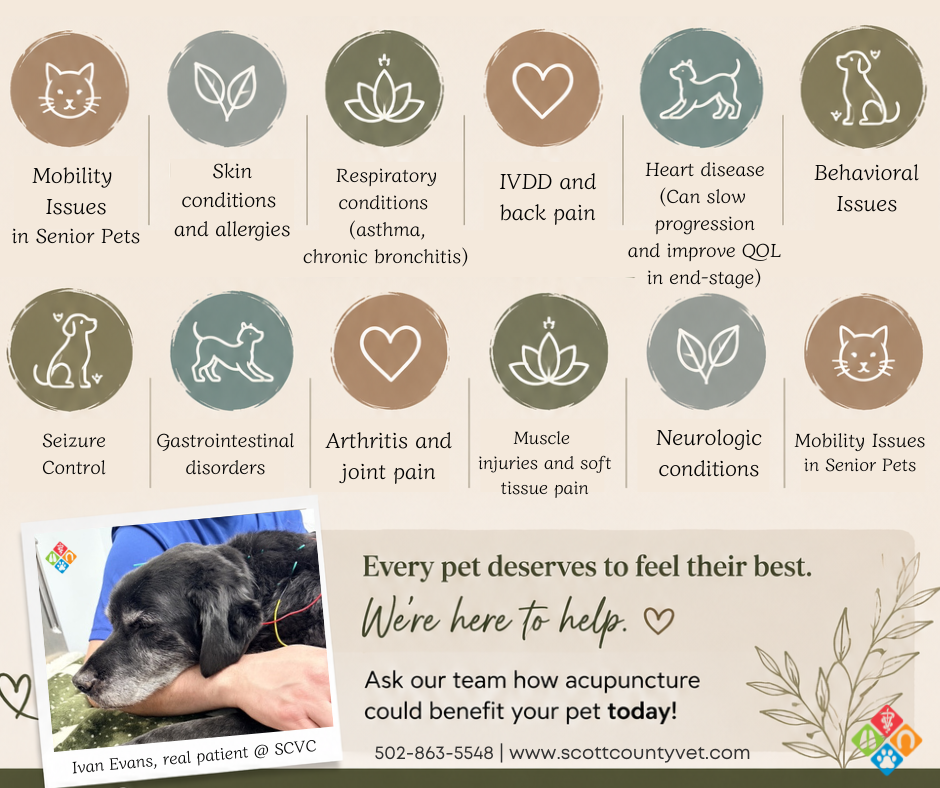
Acupuncture is commonly used to help manage a variety of conditions in both dogs and cats, including:
- Arthritis and joint pain
- Hip dysplasia
- IVDD and back pain
- Mobility issues in senior pets
- Post-surgical recovery
- Neurologic conditions
- Seizure conditions
- Anxiety and stress-related conditions
- Behavioral Issues
- Gastrointestinal disorders
- Respiratory conditions (Asthma, Chronic Bronchitis etc.)
- Muscle injuries and soft tissue pain
- Chronic Kidney Disease (Can slow progression and even reverse staging in some cases)
- Heart Disease (Can slow progression and improve quality of life especially in end stage heart failure along with Western medicine)
- Liver Conditions
- Skin conditions and allergies
- Chronic ear infections
- Cancer
- Wound healing
- Urinary Tract Infections
- Dental disease in conjunction with western dental care
Acupuncture is not meant to replace traditional veterinary medicine. Instead, it works best as part of a comprehensive treatment plan alongside diagnostics, medications, surgery, rehabilitation, and other therapies when appropriate.
What Happens During an Acupuncture Appointment?
Each acupuncture appointment begins with a thorough evaluation of your pet’s medical history, mobility, comfort level, and overall health. Treatment plans are individualized for each patient. We will have you fill out a form before each session with various questions about your pet’s health, behaviors and any changes recently.
During treatment, thin needles are gently placed at selected acupuncture points. Sessions are generally very calm and relaxing. Some pets may feel improvement after the first treatment, while others benefit most from a series of treatments over time.
Depending on the condition being treated, additional techniques may also be recommended. These may include:
- Electroacupuncture: Gentle electrical stimulation between acupuncture needles
- Aquapuncture: B-12, saline, or therapeutic medication injected at acupoints
- Moxibustion: a traditional therapy in which dried mug wort herb is burned near or on specific acupuncture points to provide therapeutic heat stimulation
Most of the time, we prefer that owners stay with pets for the duration of the treatment to provide comfort and calming to the pet. A technician may hold your pet while the needles are being place, but you will be able to sit with your pet during the treatment if you choose.
We can also offer acupuncture as a drop off service so that you can run errands and come back and pick up your pet when he or she is finished with the session.
Is Acupuncture Safe?
When performed properly by trained veterinary professionals, acupuncture is considered very safe with minimal side effects. The needles used are sterile, single-use, and extremely small.
Many owners seek acupuncture because they want additional options to improve comfort and mobility while potentially reducing reliance on long-term medications when possible. There is very little risk and great potential for benefit and improvement of quality of life.
Our Approach to Integrative Care
At Scott County Veterinary Clinic, we believe the best patient care comes from combining the strengths of both modern western medicine and integrative therapies such as acupuncture. Our goal is always to improve your pet’s comfort, function, healing, and quality of life using the safest and most effective tools available.
We are currently incorporating acupuncture into our practice as part of ongoing advanced veterinary training in Traditional Chinese Veterinary Medicine and veterinary acupuncture.
If you think your pet may benefit from acupuncture, we would be happy to discuss whether it may be a good option for them.
To learn more or schedule an appointment, please contact our office at (502) 863-5548.
I cannot wait to meet you and your pet(s).
Dr. Karen Young
DVM/Owner
Scott County Veterinary Clinic